About this coffee
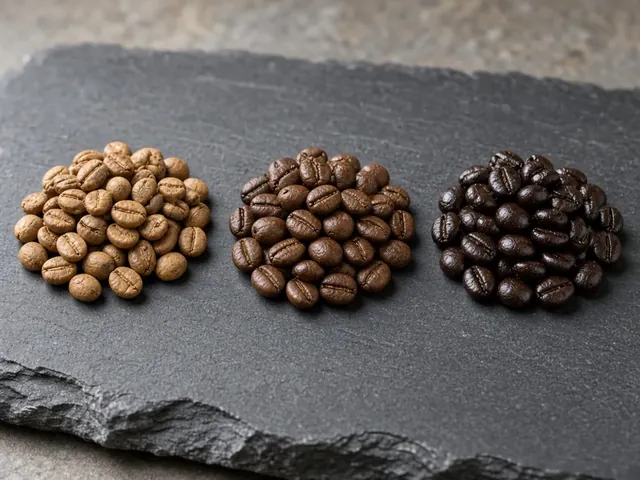
Bold without being burnt. We take this blend into second crack just long enough for deep cocoa and molasses, then stop before the bitter, ashy notes take over.
Dark roast fans want weight and low acidity. We roast slower through the middle of the roast so the sugars caramelise rather than scorch.
How we'd brew it
| Method | Ratio | Grind | Water |
|---|---|---|---|
| Pour-over | 1:15 (e.g. 20 g : 320 g) | medium-coarse; coarse for French press | 88–92 °C / 190–198 °F |
| Drip machine | 1:16–1:17 (about 60 g per litre) | Medium, like sand | Machine default |
| French press | 1:15 (e.g. 30 g : 450 g) | Coarse, like sea salt | Just off the boil |
| Espresso | 1:2 (e.g. 18 g in, 36 g out) | Fine; adjust for 25–32 s | Machine default |
Use the brew ratio calculator to scale any recipe, and see our grind size chart if your cup tastes sour (grind finer) or bitter (grind coarser).
Tasting notes, explained
Our notes (dark cocoa · molasses · smoky sweetness) describe flavours that the coffee itself suggests. Nothing is added or flavoured. Notes are easiest to pick out as the cup cools a little. If you're new to tasting, our guide to tasting coffee walks through acidity, sweetness, body and finish.
Freshness and storage
Coffee is usually at its best from a few days to about a month after roasting. Keep the bag sealed, away from light, heat and moisture. Freezing works for longer storage if you portion it into airtight containers. More in our storage guide.
You might also like