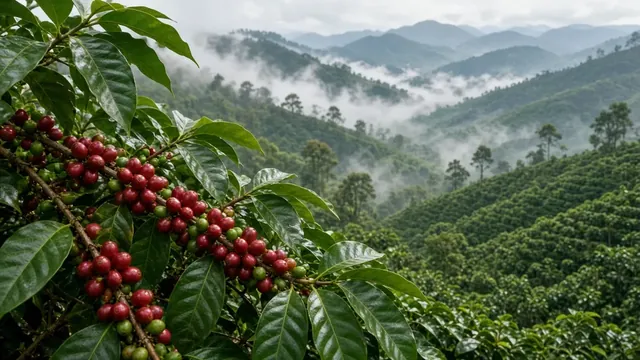
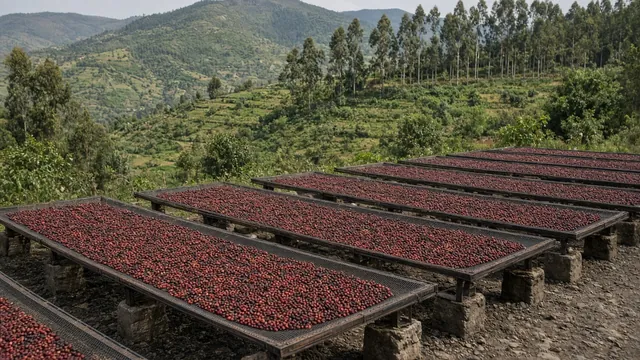
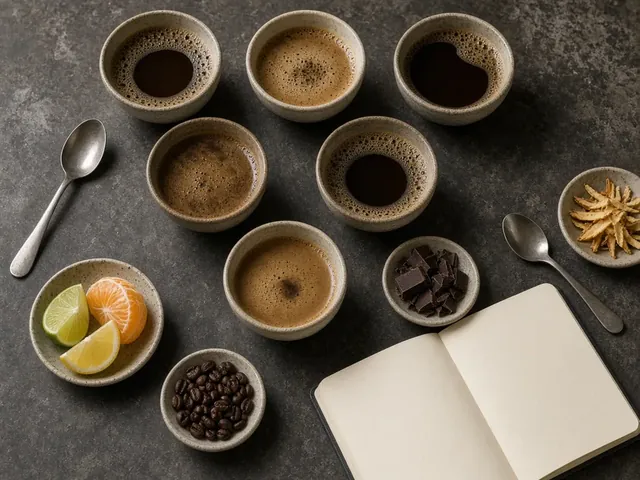
Specialty coffee starts on farms, usually small ones, in more than fifty countries along the equatorial "coffee belt". How a roaster buys coffee shapes both the cup and the livelihoods of the people who grow it.
Our sourcing standards (template)
The following standards are written for the operator of this brand to adopt and evidence. They are deliberately specific so they can be verified:
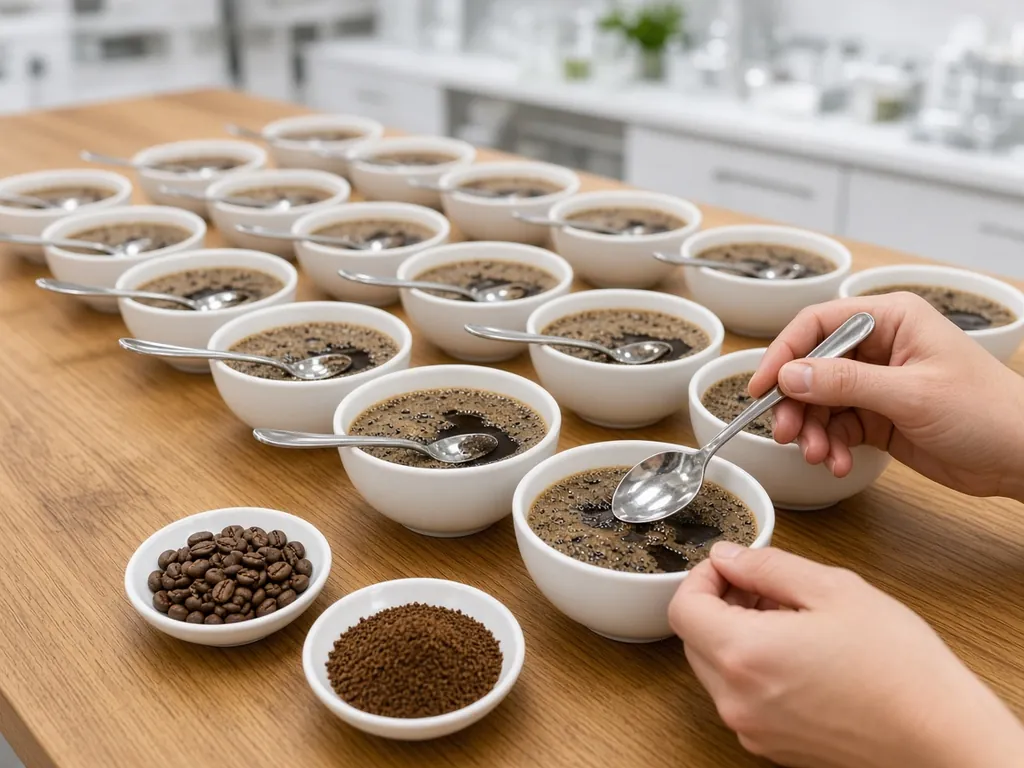
- Quality first. Every coffee is cupped (tasted under a standard protocol) before purchase and again after roasting.
- Traceable lots. Single origins name the country, region, process, altitude and, where the producer agrees, the farm, cooperative or washing station.
- Price transparency. Publish what was paid per pound of green coffee for single origins, once trading.
- Long-term relationships. Prefer buying from the same producers and importers year after year.
- Certifications where they help. Organic, Fair Trade or Rainforest Alliance certified lots are labelled only when the certificate is held.
How coffee quality is assessed
Specialty coffee is usually evaluated by cupping, a standardised tasting in which coarsely ground coffee is steeped in bowls, the crust is broken, and tasters slurp from spoons to compare fragrance, flavour, acidity, body, sweetness and aftertaste. The Specialty Coffee Association (SCA) publishes the protocols and standards used across the industry.
From green coffee to roasted
Coffee travels as "green" (unroasted) seeds in jute or hermetic bags. Green coffee is fairly stable for months if stored cool and dry. Roasted coffee is not. That's why roasters roast in small batches close to shipping. Read more about processing methods and roast levels.