How Guatemalan coffee tastes
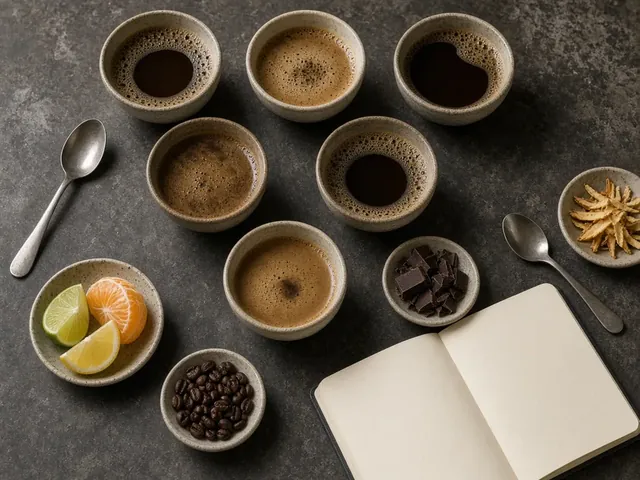
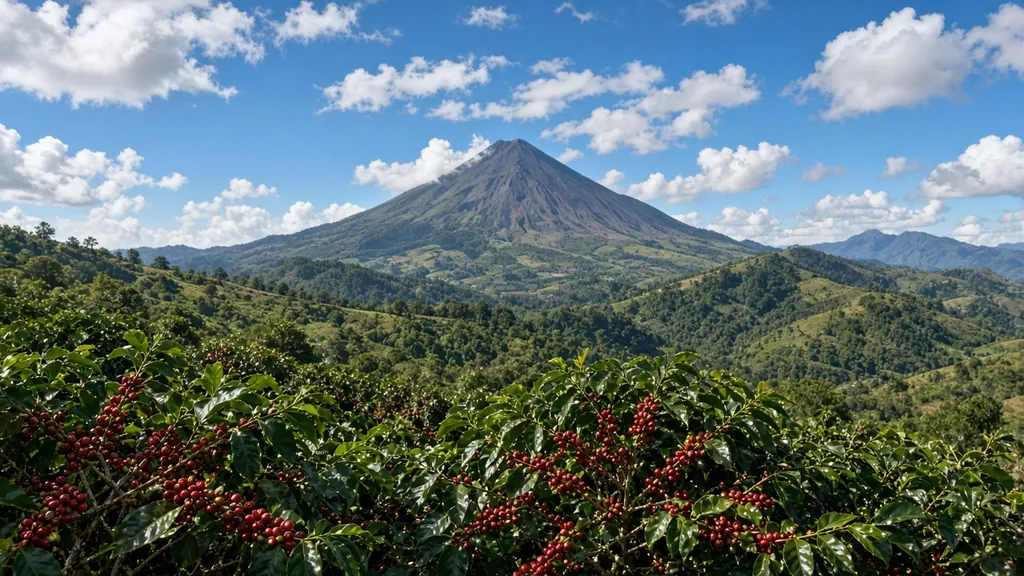
Guatemalan coffees are often described as sweet and structured: milk chocolate and caramel, with a crisp acidity and sometimes a stone-fruit or spice note. Volcanic soils, high altitude and cool nights slow ripening and build sweetness.
Key regions
Guatemala's national coffee association, Anacafé, promotes several distinct growing regions, including:
- Huehuetenango: high, dry and remote; warm winds from Mexico allow farming at altitude without frost. Bright, fruity coffees.
- Antigua: a valley ringed by volcanoes; classic, chocolatey, full-bodied cups.
- Acatenango: volcanic ash soils; balanced and sweet.
- Atitlán: slopes around Lake Atitlán; bright and aromatic.
- Cobán, Fraijanes, San Marcos and Nuevo Oriente: each with its own rainfall and soil profile.
Processing
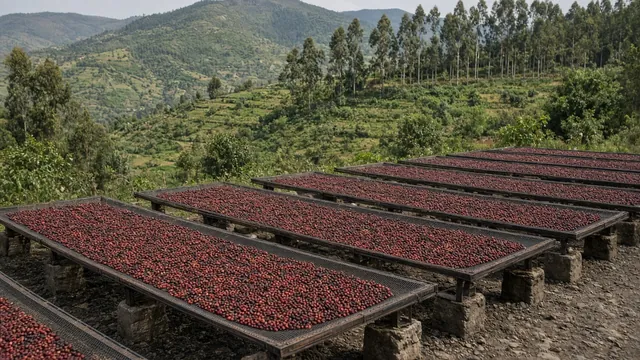
Most Guatemalan coffee is washed, either at the farm or at local mills, then dried on patios. Some estates now offer naturals and honeys.
How to brew Guatemalan coffee
An excellent all-rounder. It makes a lovely drip or pour-over cup and a chocolatey single-origin espresso.
Coffees to try
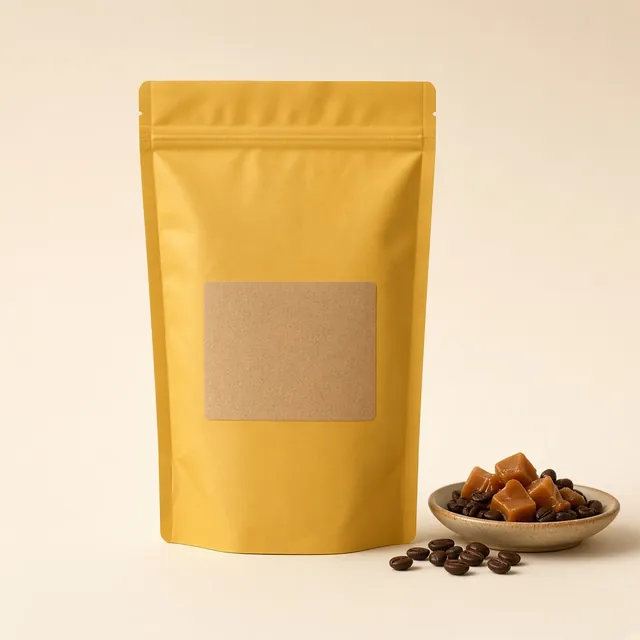
Guatemala Huehuetenango
caramel · milk chocolate · stone fruit
Frequently asked questions
What does Guatemalan coffee taste like?
Usually chocolate and caramel with a crisp acidity and sometimes stone fruit.
Which Guatemalan region is best?
It depends on taste: Antigua for classic chocolate, Huehuetenango for brighter, fruitier cups.
Is Guatemalan coffee good for espresso?
Yes; its sweetness and structure make balanced shots.