How Kenyan coffee tastes
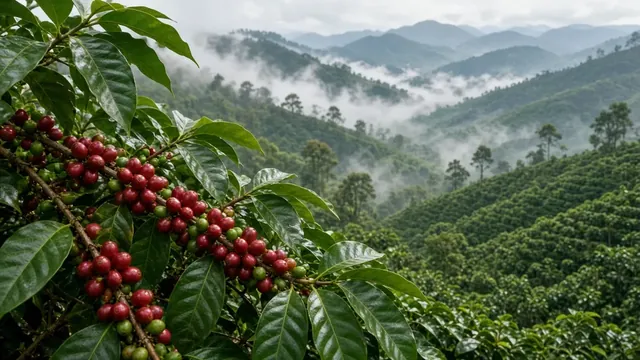
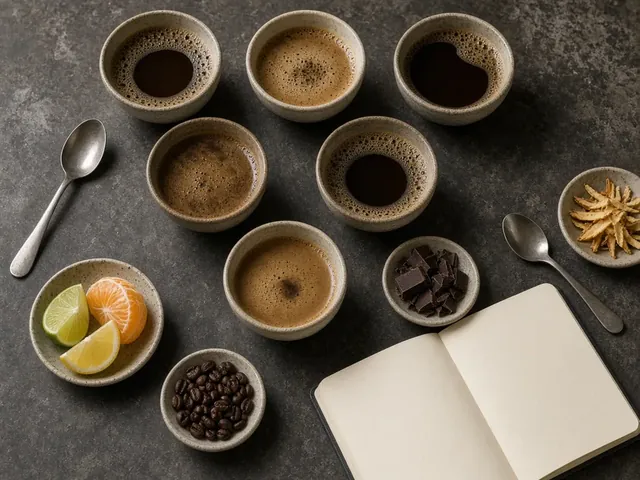
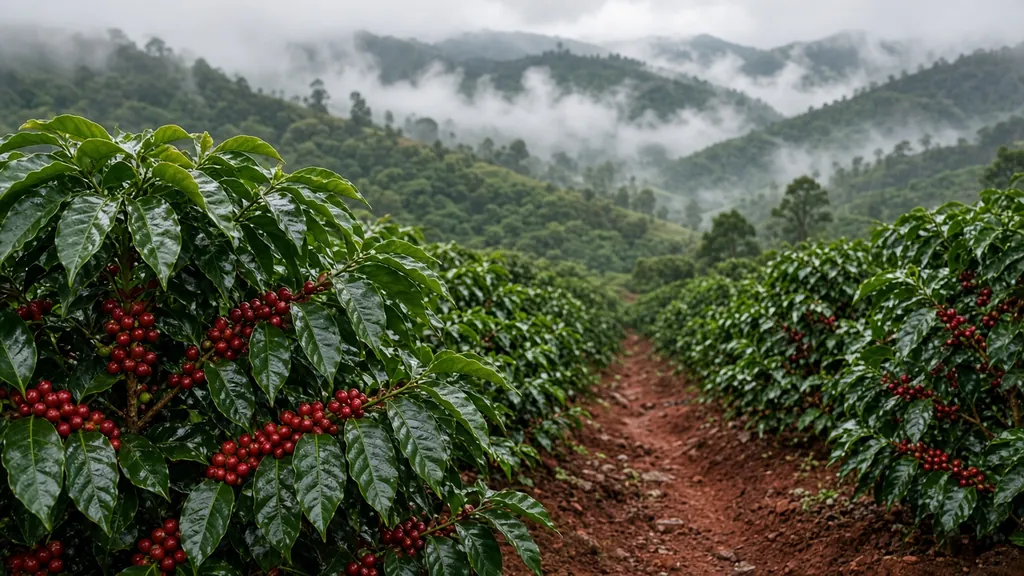
Kenyan coffee has one of the most distinctive profiles in the world: vivid acidity, heavy juiciness and dark-fruit notes like blackcurrant. Varieties developed in the 20th century (notably SL28 and SL34), red volcanic soils and meticulous washing all play a part.
Key regions
- Nyeri and Kirinyaga: on the slopes of Mount Kenya; often the most celebrated lots.
- Kiambu and Murang'a: close to Nairobi with long coffee traditions.
- Embu, Meru and the west (Bungoma, Kisii): diverse profiles and growing reputations.
Processing and grading
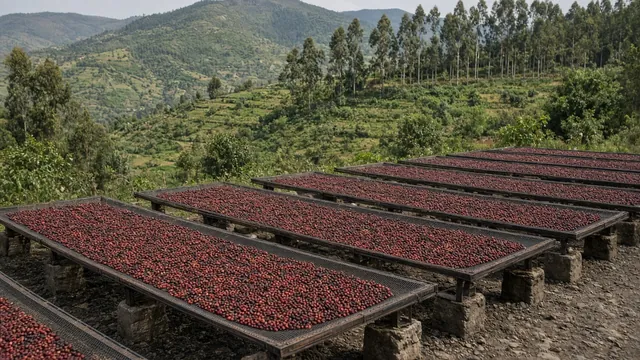
Smallholders typically deliver cherries to cooperative-owned factories (wet mills). Coffee is de-pulped, fermented, washed, often soaked, and dried on raised beds. Green coffee is then graded by size: AA is the largest screen size and AB slightly smaller. Grade describes size, not guaranteed taste.
How to brew Kenyan coffee
Paper filters and light roasts highlight Kenya's clarity. Try a pour-over or iced pour-over, which is spectacular with blackcurrant notes.
Coffees to try
Origins Sampler (3 × 4 oz)
three countries · three processes · one box
Frequently asked questions
What does AA mean on Kenyan coffee?
It's a size grade: the largest beans. Quality also depends on cup score and processing.
Why is Kenyan coffee so acidic?
Bright acidity comes from high altitude, varieties like SL28/SL34 and careful washing. "Acidity" here means a pleasant brightness, not stomach acid.
Is Kenyan coffee good with milk?
It's best black, but lighter milk drinks can taste like berries and cream.