How Colombian coffee tastes
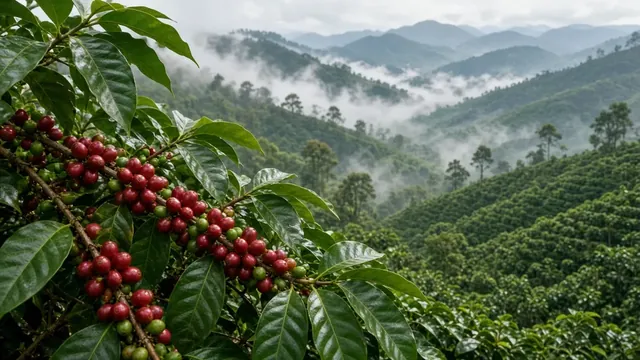
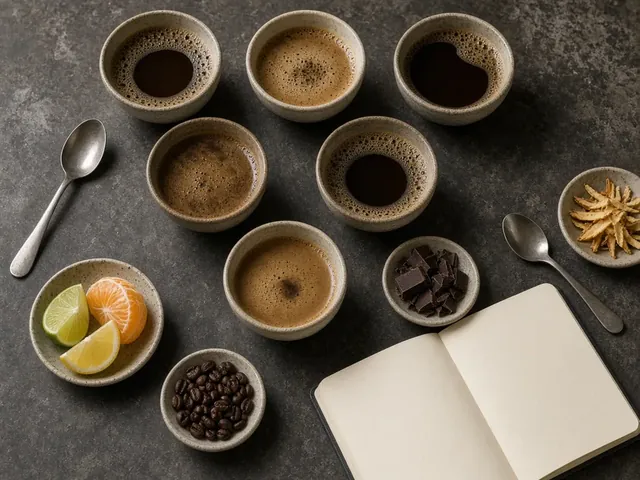
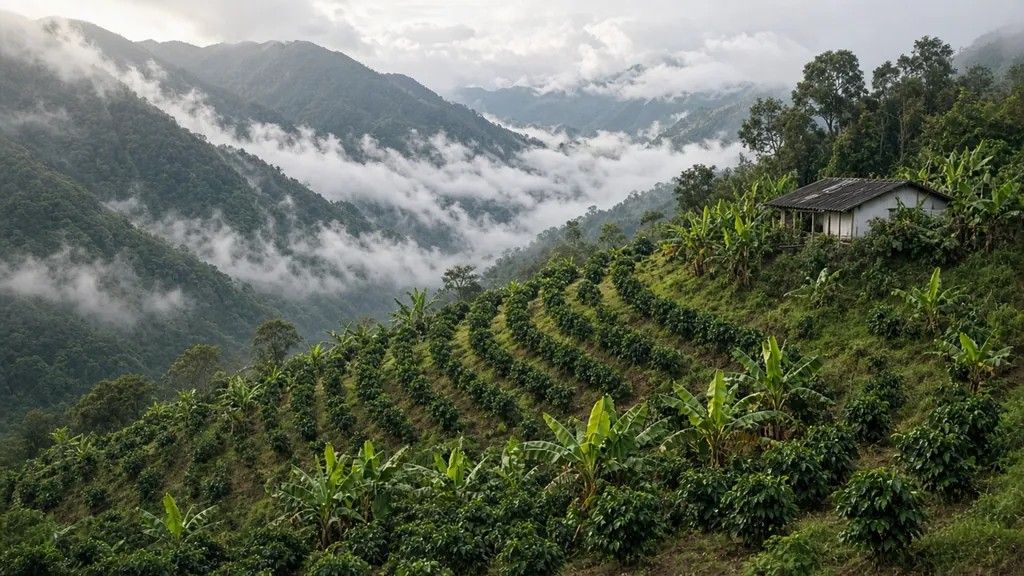
Colombia is among the world's largest producers of washed Arabica coffee. A typical Colombian cup is balanced: medium body, caramel and chocolate sweetness, and a juicy acidity like red apple or citrus. Because the Andes split into three ranges (cordilleras), there is huge variation in microclimate, and some regions can harvest at almost any time of year.
Key regions
- Huila: southern, high and steep; known for sweet, bright, complex coffees.
- Nariño: very high altitude near the equator; intense acidity and sweetness.
- Cauca: volcanic soils and floral, citrusy cups.
- Antioquia, Caldas, Risaralda, Quindío: the historic "coffee axis"; classic, balanced profiles.
- Tolima and Santander: from fruit-forward to rounder, chocolatey coffees.
Processing
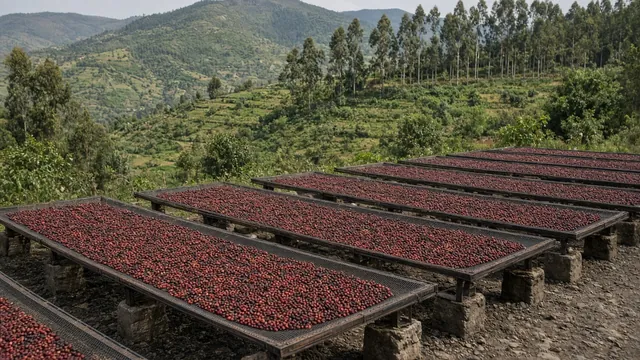
Most Colombian smallholders process coffee on the farm: de-pulping cherries, fermenting overnight in tanks, washing and drying on patios or in parabolic dryers. A growing number of farms experiment with honey, natural and controlled-fermentation lots.
How to brew Colombian coffee
Colombian coffees work across almost every method. Try a drip machine for an everyday cup, AeroPress for sweetness, or espresso for a bright, juicy shot.
Coffees to try
Frequently asked questions
Is Colombian coffee strong?
"Strong" usually means dark-roasted or brewed with more coffee. Colombian coffee itself is typically balanced and medium-bodied.
What is mitaca?
A secondary, smaller harvest that some Colombian regions have each year.
What is Colombian Supremo?
An export grade based on bean size (screen 17+), not a measure of flavour quality.