How Brazilian coffee tastes
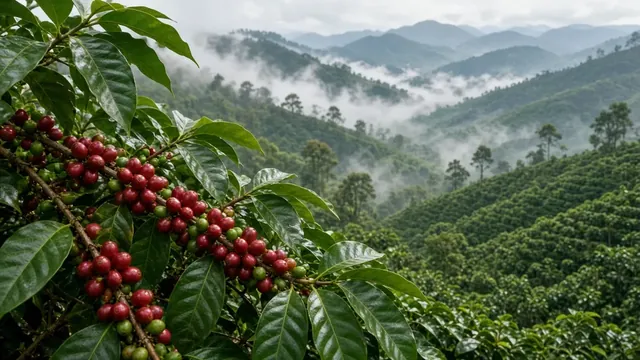
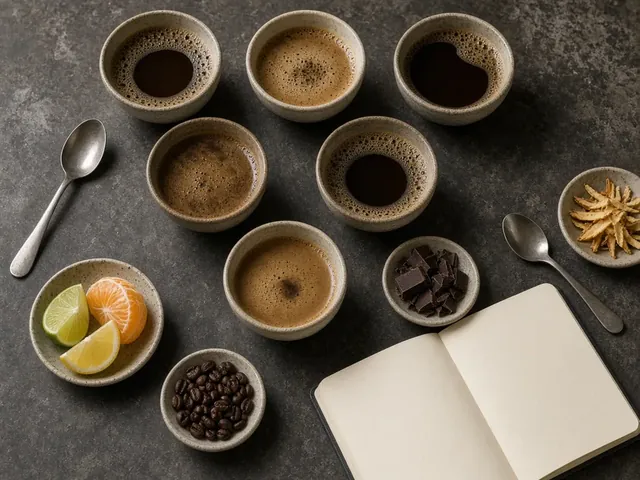
Brazil is the world's largest coffee producer, according to the USDA's regular market reports, and grows both Arabica and Robusta (called conilon in Brazil). Brazilian Arabicas are typically low in acidity with nutty, chocolatey sweetness and a heavy body. That makes them the base of many espresso blends, including our Daybreak and Lantern.
Key regions
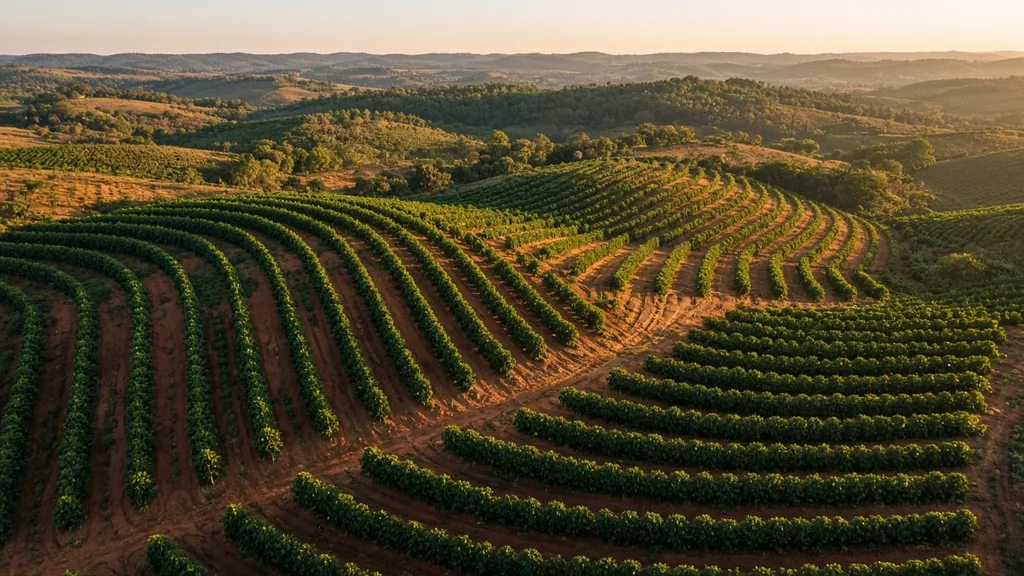
- Cerrado Mineiro: flat plateaus and distinct wet and dry seasons, ideal for mechanised farming and natural processing.
- Sul de Minas: rolling hills, a large and historic region with sweet, chocolatey coffees.
- Mogiana: on the São Paulo/Minas Gerais border; classic, rounded cups.
- Chapada Diamantina (Bahia) and Espírito Santo: rising specialty reputations.
Processing
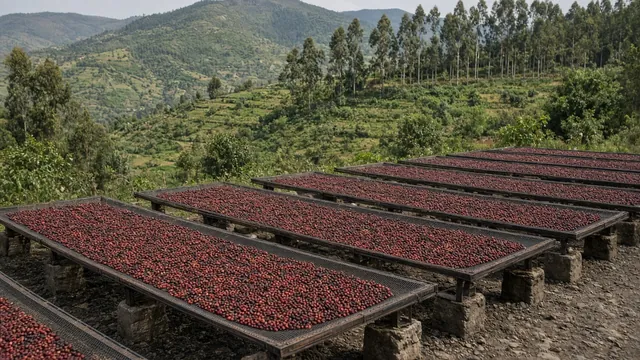
Many Brazilian coffees are naturals, dried in the cherry on patios or raised beds, or pulped naturals, where the skin is removed but sticky fruit is left on during drying. Both build sweetness and body.
How to brew Brazilian coffee
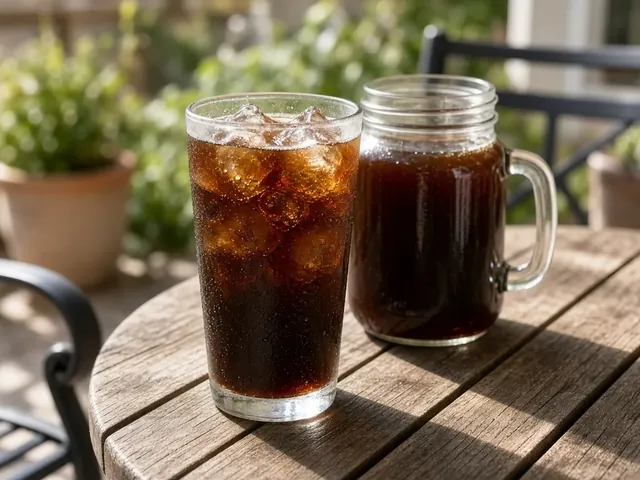
Brazil shines in espresso, French press, moka pot and cold brew, all methods that reward body and chocolate.
Coffees to try
Frequently asked questions
Is Brazil the largest coffee producer?
Yes, Brazil is consistently the world's largest producer in USDA market data.
Why is Brazilian coffee in so many blends?
Its low acidity, body and nutty-chocolate sweetness make a stable, crowd-pleasing base.
What is pulped natural?
The cherry skin is removed but the sticky fruit (mucilage) is left on while drying, a step between washed and natural.