Extraction in one minute
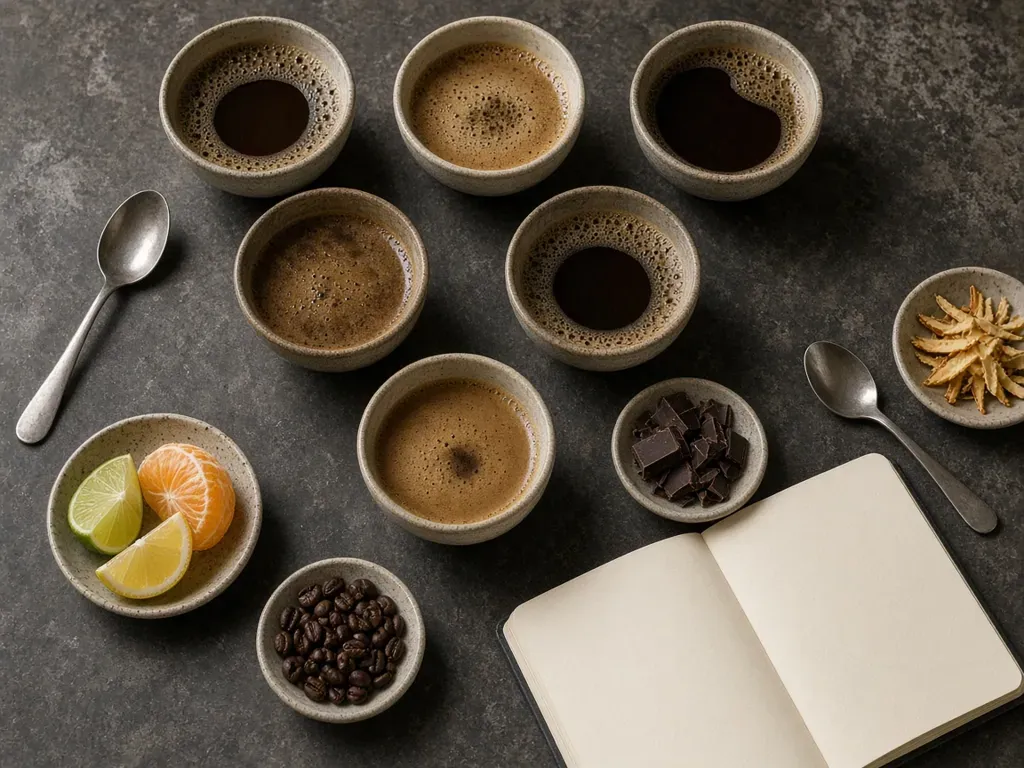
Water dissolves flavours from coffee in a rough order: acids first, then sugars, then bitter compounds. Under-extracted coffee stops too early and tastes sour, salty and thin. Over-extracted coffee goes too far and tastes bitter, dry and hollow. The goal is the sweet middle.
If it tastes sour
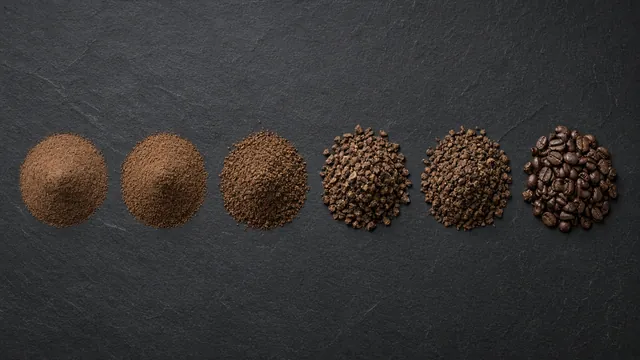
- Grind finer.
- Use hotter water (94–96 °C).
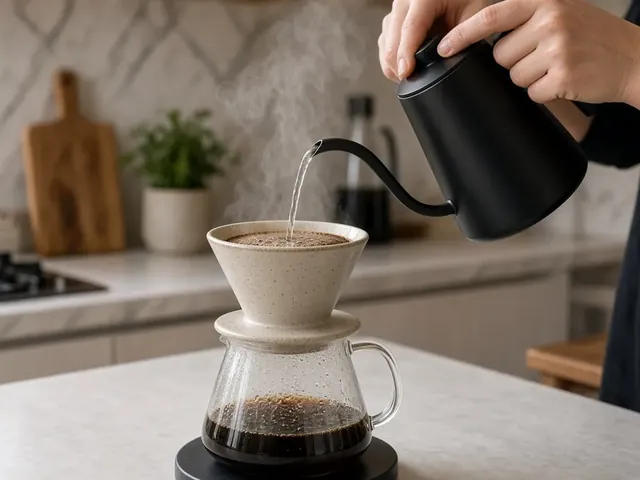
- Increase brew time or pour more slowly.
- Rest very fresh coffee a few days.
If it tastes bitter
- Grind coarser.
- Use slightly cooler water (90–92 °C), especially with dark roasts.
- Shorten the brew or reduce agitation.
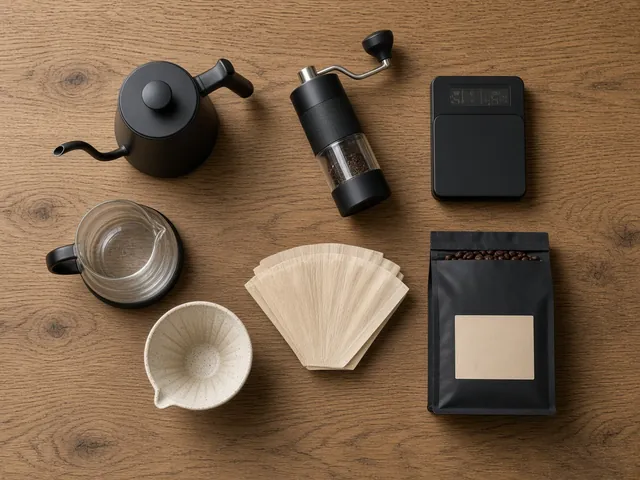
- Clean your equipment; old coffee oils taste bitter and rancid.
- Take drip coffee off the hot plate.
If it tastes weak, or too strong
Strength is about ratio, not extraction. Weak but balanced coffee needs more coffee per water (try 1:15). Too strong? Use 1:17 or add hot water after brewing. Use our ratio calculator.
Other culprits
- Stale coffee tastes flat and papery: check the roast date.
- Hard or chlorinated water dulls or taints: see water.
- Uneven grinding from blade grinders causes sour and bitter at once.